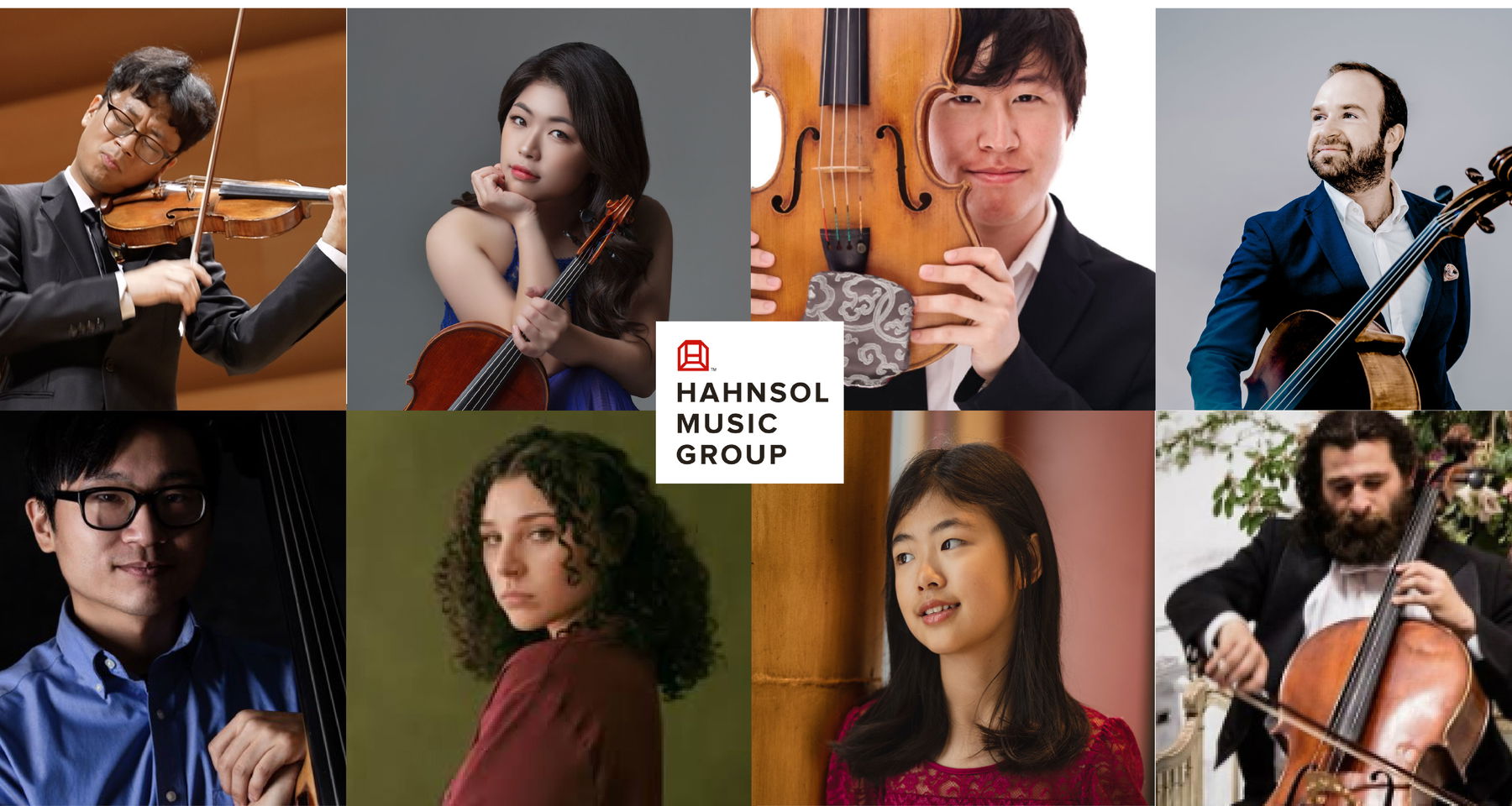
String Sextet at Saint Johns - Light in Transformation
Saint John's in the Village
Sat, January 31, 2026, at 1:45 PM,
EST
- Alcoholic and non-alcoholic drinks provided
-
Wheelchair access
- Wheelchair Accessible
-
- Some stairs may be present in the space
-

- Click here for more accessibility details
-

- Kid-friendly event

This is a groupmuse
A live concert in a living room, backyard, or another intimate space. They're casual and friendly, hosted by community members.
Host
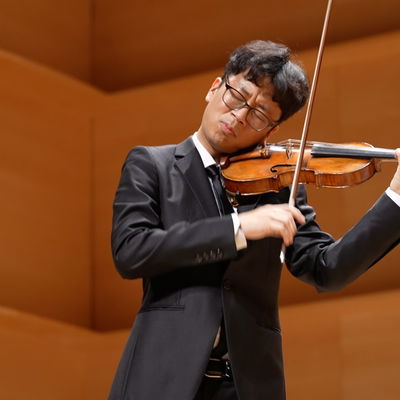
An intimate winter afternoon of transformation and warmth.
Set in the luminous acoustics of Saint John's in the Village, this concert brings together two late-Romantic masterpieces that glow with humanity, intensity, and renewal. From Schoenberg's confessional Verklärte Nacht to Mendelssohn's Quintet No. 2. Light in Transformation invites listeners into a shared moment of closeness, sound, and reflection.
Violin: Hahnsol Kim, Shaleah Feinstein
Viola: Sohui Yun, Andy Park
Cello: Sandro Sidamonidze, Josh Epstein
Bass: Tommy Wu
What's the music?
F. Mendelssohn String Quintet No. 2 - Adagio e lento
A. Schoenberg Verklärte Nacht (Transfigured Night)
The Adagio e lento of Mendelssohn’s String Quintet No. 2 stands at the emotional center of the work. Written in 1845, near the end of the composer’s life, the movement reflects a deepened introspection and a maturity of expression that distinguishes Mendelssohn’s late chamber music from the youthful brilliance often associated with his earlier works.
Scored for two violins, two violas, and cello, the movement unfolds with a rich, dark sonority. A grave, chorale-like opening sets a mood of quiet introspection, shaped by long, sustained lines and subtle inner voices rather than dramatic contrast. As the music moves into the lento, time seems to slow, and the intimate dialogue—especially among the inner voices—deepens the sense of contemplative stillness.
Often compared to a prayer or a meditative hymn, the movement reveals a side of Mendelssohn that is deeply personal and expressive. Its restrained beauty and emotional depth offer a moment of profound calm within the quintet, reminding us that beneath Mendelssohn’s elegance and clarity lies a composer capable of remarkable spiritual and emotional intensity.
Composed in 1899, Verklärte Nacht (Transfigured Night) marks a pivotal moment in Arnold Schoenberg’s early career, standing at the threshold between late Romanticism and the radical musical language he would later develop. Inspired by a poem of the same title by Richard Dehmel, the work unfolds as a single continuous movement, translating a deeply emotional narrative into richly expressive chamber music.
Scored originally for string sextet, Verklärte Nacht draws on the lush harmonic world of Wagner and Brahms while pushing chromaticism to its expressive limits. The music traces the poem’s nocturnal journey: a tense, troubled opening gives voice to confession and anguish, followed by a gradual transformation toward warmth, radiance, and release. Schoenberg’s use of dense textures, shifting harmonies, and sweeping melodic lines creates an atmosphere of intense psychological drama.
By the work’s conclusion, darkness gives way to transfiguration. The music resolves into a luminous calm, reflecting forgiveness and renewal. Though firmly rooted in the Romantic tradition, Verklärte Nacht already reveals Schoenberg’s fearless emotional honesty and his willingness to challenge musical boundaries, making it one of the most powerful and enduring works in the chamber music repertoire.
Location
Exact address sent to approved attendees via email.
This is a groupmuse
A live concert in a living room, backyard, or another intimate space. They're casual and friendly, hosted by community members.
Host
Attendees








 Continue with Facebook
 Continue with Google
 Continue with Apple
Comments
Comment sections are only for participants.