 Continue with Facebook
 Continue with Google
 Continue with Apple
Guitar: Classical and Jazz as One
Details
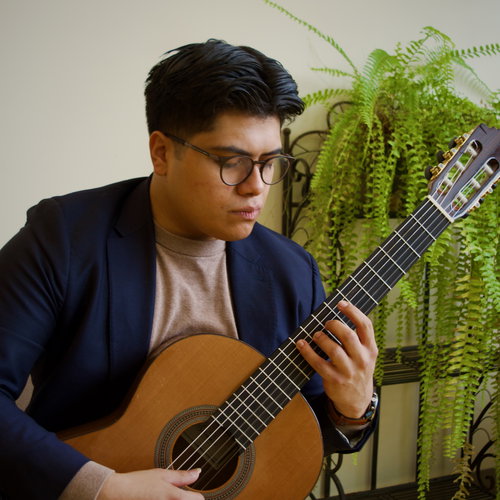
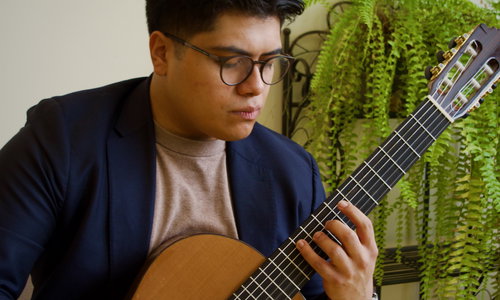
Sergio Ramirez full profile / Solo guitar, nylon and electric / 1 musician
Full program notes
Two traditions of the guitar, one evening, and I humbly offer my perspective across both. The first half is the written guitar repertoire of Latin America and Spain. The second is its direct mirror in the Black American Music tradition known as jazz, from the songbook era forward. The program opens in Brazil with Villa-Lobos and returns there with the brilliant Brazilian pianist Tania Maria.
I proudly present to you, Guitar: Classical and Jazz as One.
First half
Prelude No. 1 - Heitor Villa-Lobos (1887-1959)
Preludes, selections - Manuel M. Ponce (1882-1948)
Capricho Árabe - Francisco Tárrega (1852-1909)
Vals, Op. 8 No. 4 - Agustín Barrios Mangoré (1885-1944)
Asturias - Isaac Albéniz (1860-1909)
Second half
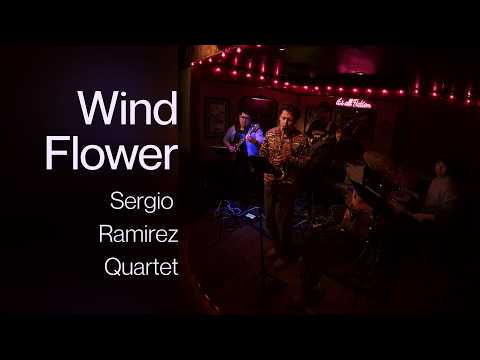
Windflower - Sara Cassey
Days of Wine and Roses - Henry Mancini
Misty - Erroll Garner
My Favorite Things - Richard Rodgers
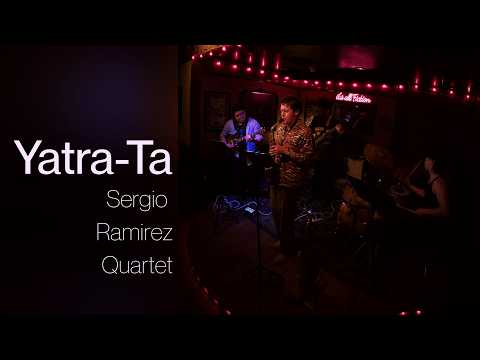
Yatra-Ta - Tania Maria
(Program subject to change)
Historical context
The first half comes from the guitar's concert tradition as it was rebuilt around the turn of the twentieth century. Francisco Tárrega, often called the father of the modern classical guitar, helped turn a parlor instrument into a concert one, partly through transcriptions of Spanish piano music, the tradition that made Albéniz's Asturias, written for piano, one of the most recognizable guitar pieces in the world. In the decades that followed, composers across Latin America wrote their own countries into that repertoire. Ponce collected and arranged Mexican folk song, Villa-Lobos dedicated his first prelude to the people of the Brazilian backlands, and Barrios, from Paraguay, toured under the name Nitsuga Mangoré in the dress of a Guaraní chief.
The second half follows the same move inside jazz, the Black American Music tradition born in New Orleans in the early twentieth century out of the blues and improvisation. Jazz musicians have always built their repertoire from the popular songs around them. My Favorite Things was a Broadway number until John Coltrane's 1960 recording made it one of the defining vehicles of modal jazz. Erroll Garner, who never learned to read music, wrote Misty in 1954, and Henry Mancini's Days of Wine and Roses came from a 1962 film. Alongside them are Sara Cassey's Windflower, which Herb Ellis and Remo Palmier made into a guitar record in 1978, and Yatra-Ta by Tania Maria, the Brazilian pianist who built her career fusing jazz with samba and bossa nova.
In both halves, the music of everyday life becomes concert music, and the guitar sits at the center of it.
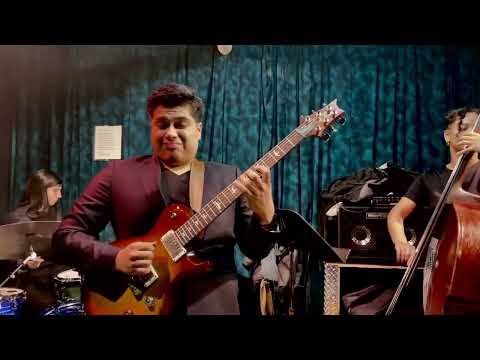
Videos from this player
Other programs from this ensemble
Sergio Ramirez Trio: American Songbook
- Musician profile: Sergio Ramirez
-
 Instruments:
Guitar, bass, drums
- Musicians: Sergio Ramirez, Bass and drums confirmed per date.